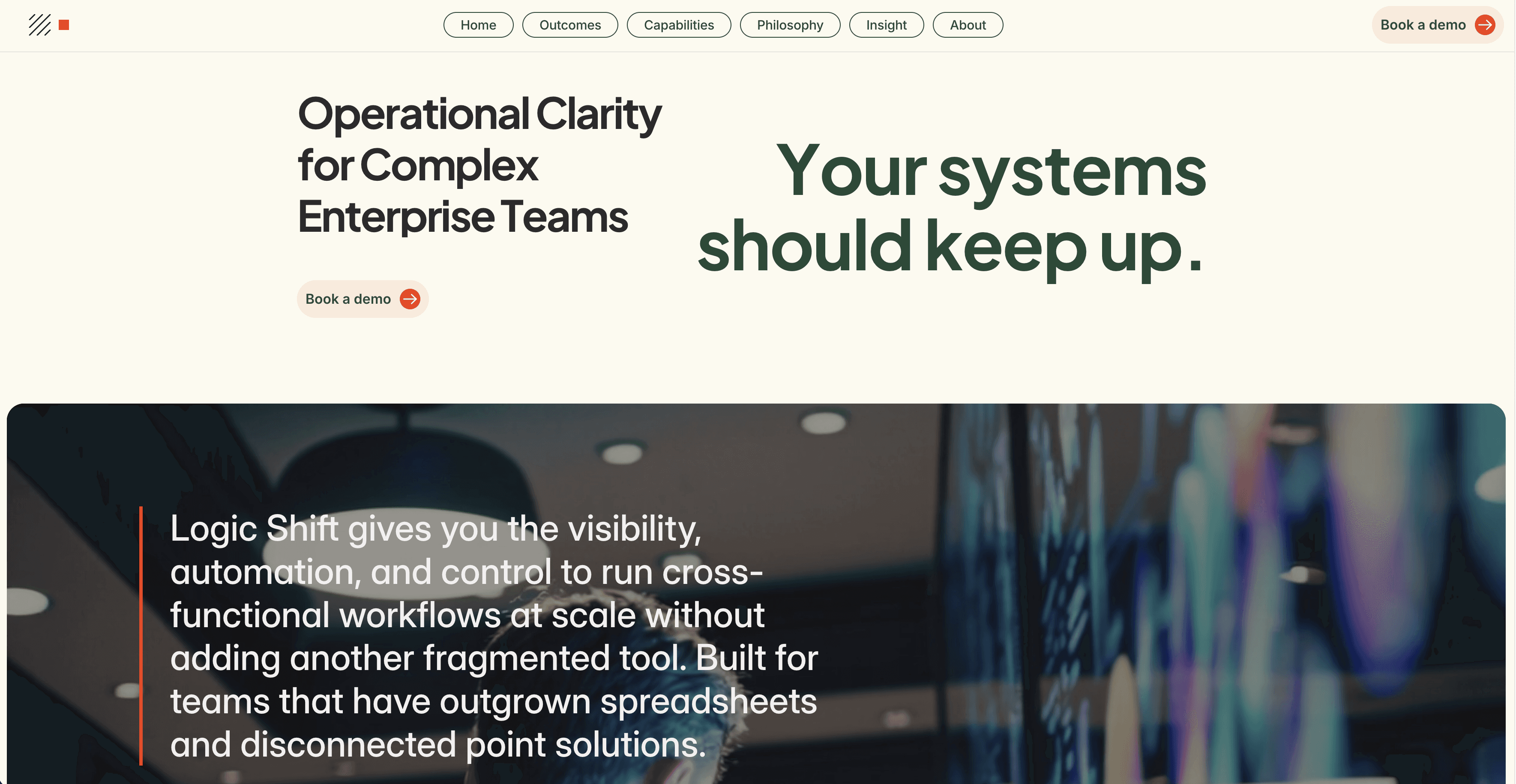
Logic Shift: Enterprise SaaS & B2B Agency
Industry
Digital Goods
Services
Go-To-Market (GTM) Web
Year
2026
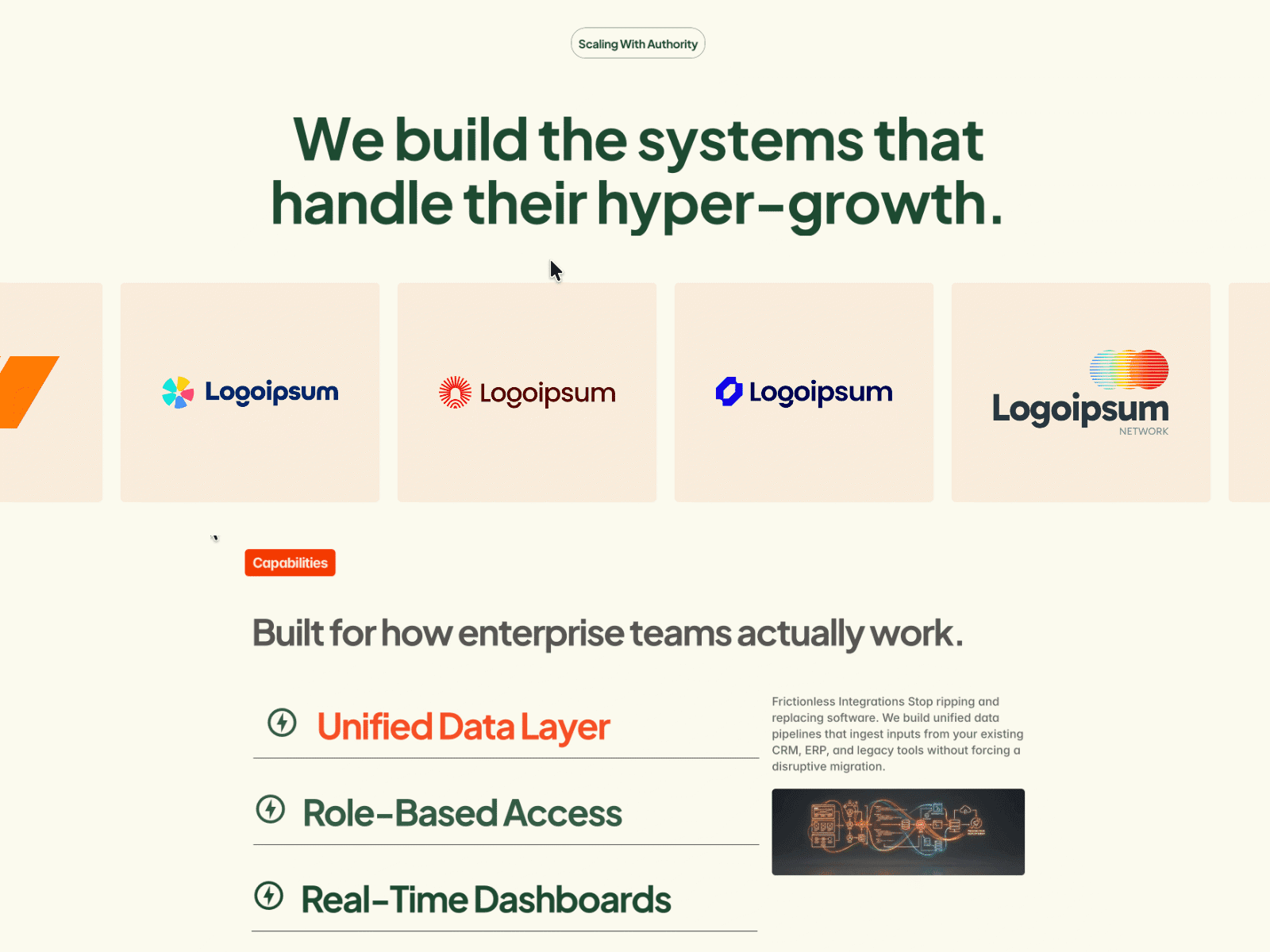
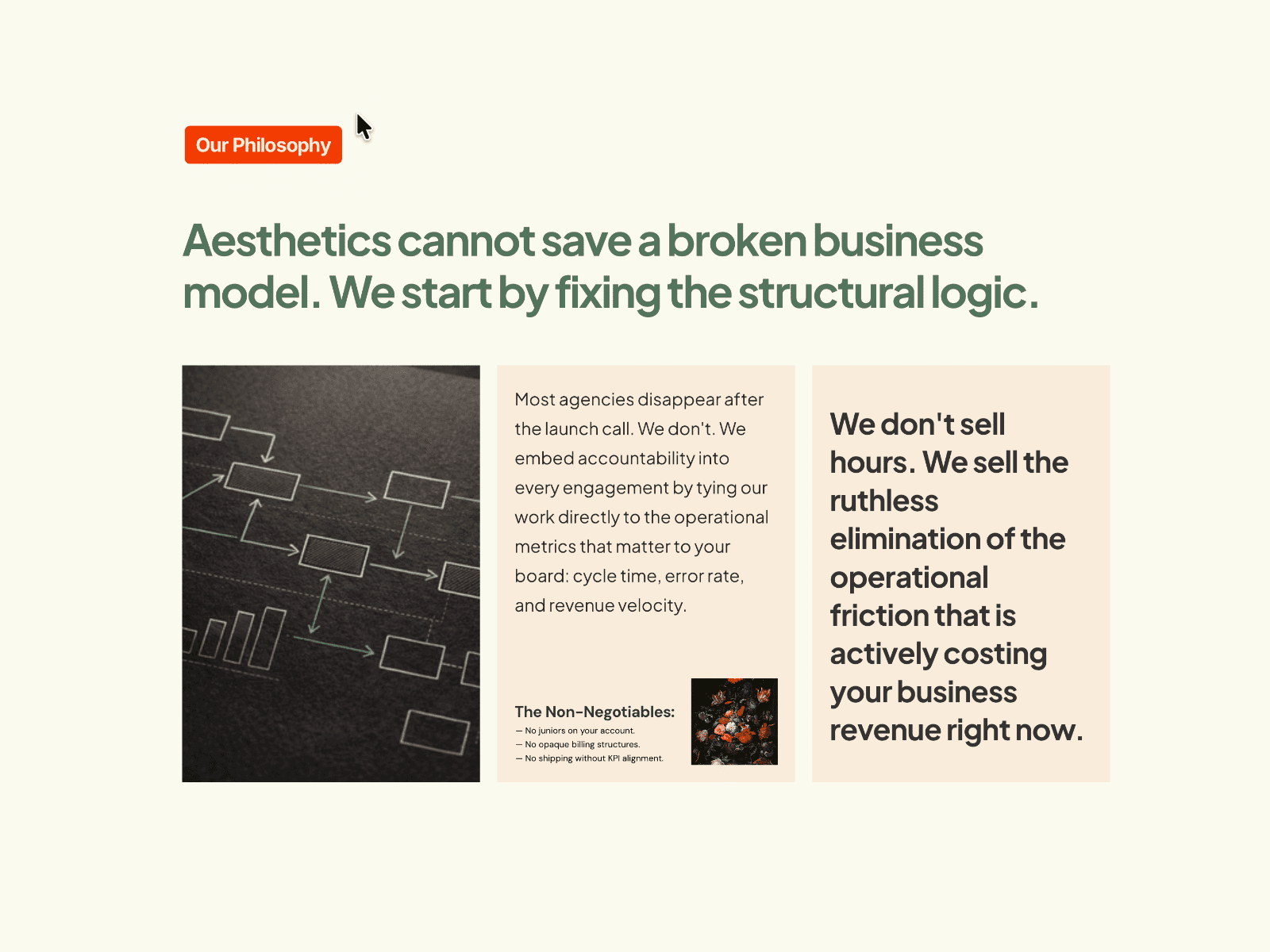
Premium B2B Framer templates engineered for conversion and scalability. Moving beyond basic aesthetics, I build clean CMS structures, reusable components, and aggressive technical SEO hygiene to help digital products rank and convert.
CHALLENGE
The digital template market is crowded, especially in categories like Framer templates, landing page templates, and homepage copy packs. Many products look polished, but buyers still struggle to see why one is worth paying for over another. The real challenge is not visual quality alone; it is clear positioning and practical value.
Audience diversity makes this harder. Some buyers are solo founders, some are freelancers, and others are small marketing teams. They all want speed, but they do not have the same technical background. If the product messaging is too technical, beginners drop off. If it is too generic, experienced users assume it is shallow.
Trust is another major friction point in digital goods. Buyers cannot "try" the product in a physical sense, so purchase decisions depend on clarity: what is included, what outcomes are realistic, and what this template will not do. When sales pages overpromise, conversion might rise briefly, but refund risk and buyer disappointment also rise.
SEO can become a trap when creators force keywords into every sentence. Pages may rank for terms like "Framer website template" or "homepage copy template," but still fail to convert because the copy feels robotic. Search visibility matters, but readability and buyer confidence matter more once someone lands on the page.
Support load is the final operational challenge. If setup instructions are weak, customers ask the same implementation questions repeatedly. That turns a scalable digital product into a support-heavy business. Over time, this reduces margins and slows down new product releases.
SOLUTIONS
Start with sharper positioning. State exactly who the template is for, what problem it solves, and what realistic outcome users can expect. A focused message like "Framer template for SaaS founders and agencies who need a conversion-ready homepage fast" performs better than broad claims aimed at everyone.
Use a practical product page structure: clear hero, ideal user section, deliverables list, use-case examples, and a transparent "not included" section. This makes your digital product page easier to scan and reduces buyer confusion. It also improves conversion quality, not just conversion volume.
Apply SEO naturally instead of aggressively. Include relevant search terms such as "Framer template," "landing page copy template," "digital product template," and "homepage copy pack" in headings, meta descriptions, and key sections where they genuinely fit. Write for human intent first, then optimize for search engines without keyword stuffing.
Build trust through specific proof, even if you are early. Show practical examples, sample sections, and before/after copy snippets. If you do not have enterprise testimonials yet, use honest micro-case examples from real usage. Credibility grows faster from specificity than from big claims.
Reduce support overhead with a lightweight onboarding system: a 15-minute quick start, a launch checklist, and an implementation FAQ. This helps customers get results faster without relying on constant direct support. The business benefit is simple: better user experience, fewer repetitive tickets, and more room to scale your digital goods catalog.

Related Project
A look at other end-to-end web products and infrastructure overhauls I have successfully delivered to production.

KariRise:Persiapan BUMN & CPNS
Executing a systematic redesign of its existing Flutter architecture to deliver a fluid and reliable mobile experience.

Digital Health
Built strictly for internal stakeholders, this platform cuts through the noise of customer-facing features to solve real operational chaos.

Service Booking Platform
This project is a backend service for a service-booking platform, built with Go Fiber. The focus is not on flashy buzzwords, but on maintainable code, clear boundaries, and practical testing. It follows Clean Architecture so business logic stays separate from transport and infrastructure details. That separation matters when features grow and teams start touching the same codebase every day.